Preserving memories, documents, and valuable information for future generations requires thoughtful planning and the right archival storage solutions to protect against deterioration and loss.

📚 Understanding the Critical Importance of Archival Storage
Every family, business, and organization possesses valuable historical materials that deserve protection. From irreplaceable photographs and handwritten letters to important legal documents and cultural artifacts, these items tell stories that connect us to our past. Without proper archival storage, these treasures face threats from environmental factors, physical damage, and the inevitable passage of time.
The field of archival preservation has evolved significantly over recent decades. Professional archivists and preservation experts have developed comprehensive methodologies to ensure materials survive for centuries. Understanding these principles empowers individuals and organizations to make informed decisions about protecting their historical collections.
Modern archival storage goes beyond simply placing items in boxes. It encompasses environmental control, proper handling techniques, appropriate housing materials, and strategic organization systems. Each element plays a crucial role in extending the lifespan of your cherished materials.
🔬 The Science Behind Material Degradation
Before implementing preservation strategies, understanding why materials deteriorate helps inform better storage decisions. All organic and many inorganic materials undergo natural aging processes influenced by multiple environmental factors.
Light exposure, particularly ultraviolet radiation, breaks down chemical bonds in paper, photographs, textiles, and other materials. This photochemical degradation causes fading, discoloration, and structural weakening. Even brief exposure to direct sunlight can cause irreversible damage to sensitive materials.
Temperature and humidity fluctuations accelerate chemical reactions within materials. High temperatures speed up deterioration processes, while excessive humidity promotes mold growth and encourages pest infestation. Conversely, extremely low humidity causes materials to become brittle and prone to cracking.
Air pollutants, including sulfur dioxide, nitrogen oxides, and particulate matter, contribute to acid formation on paper surfaces. This acidification leads to embrittlement and discoloration over time. Urban and industrial environments pose particularly high risks for archival materials.
🏛️ Essential Principles of Archival-Quality Storage
Professional archivists follow established standards when selecting storage materials and designing preservation systems. These principles, developed through decades of research and practical experience, form the foundation of effective long-term preservation.
Acid-Free and Lignin-Free Materials
The cornerstone of archival storage involves using materials that won’t contribute to deterioration. Acid-free papers, boards, and boxes have neutral or slightly alkaline pH levels, preventing acid migration to stored items. Lignin, a component of wood pulp that turns yellow and brittle over time, should be absent from quality archival products.
Archival folders, envelopes, and boxes should meet specific standards. Look for products labeled as “archival quality,” “acid-free,” or meeting PAT (Photographic Activity Test) standards. These designations indicate materials have been tested and certified safe for long-term storage.
Physical Support and Protection
Proper physical support prevents mechanical damage to fragile materials. Photographs should be interleaved with acid-free tissue paper or stored in individual sleeves. Documents benefit from folders that provide support without creating pressure points. Oversized materials require specialized flat storage solutions.
Enclosures protect items from dust, light, and handling damage while maintaining air circulation. Boxes should fit contents snugly without crushing materials. Overfilled containers cause damage, while excessive empty space allows items to shift and fold during handling or movement.
🌡️ Creating the Optimal Storage Environment
Environmental conditions significantly impact preservation outcomes. While achieving museum-standard conditions may not be feasible for everyone, understanding optimal parameters helps create the best possible storage environment within practical constraints.
Temperature Control Strategies
Cool, stable temperatures slow chemical deterioration processes. Most archival materials benefit from storage at 65-70°F (18-21°C). Photographic materials, particularly color photographs and film, require cooler temperatures around 35-50°F (2-10°C) for optimal preservation.
Temperature stability matters as much as absolute temperature. Fluctuations cause materials to expand and contract, stressing fibers and accelerating degradation. Avoid storage locations near heating vents, exterior walls, or areas subject to temperature swings.
Humidity Management Techniques
Relative humidity between 30-50% creates favorable conditions for most archival materials. This range inhibits mold growth while preventing materials from becoming overly dry and brittle. Paper-based materials tolerate humidity toward the higher end of this range, while photographs prefer drier conditions.
Maintaining consistent humidity levels prevents damaging expansion and contraction cycles. Dehumidifiers, humidifiers, and humidity-buffering materials help stabilize conditions. Silica gel packets placed in storage containers provide localized humidity control in challenging environments.
Light Protection Methods
Darkness provides the best protection from light damage. Storage areas should have minimal light exposure, with illumination only during access periods. Windows should be covered with UV-filtering films or blackout materials. Storage containers themselves provide additional light protection.
When display is necessary, use indirect lighting, install UV filters, and limit exposure duration. Rotate displayed items regularly, giving materials rest periods in dark storage. Consider using high-quality reproductions for permanent display while preserving originals in secure storage.
📦 Implementing Effective Storage Systems
Organization systems make collections accessible while protecting materials from unnecessary handling. Well-designed storage arrangements facilitate inventory management, retrieval, and monitoring for preservation issues.
Storage Container Selection
Archival boxes come in various configurations suited to different material types. Document boxes accommodate letter and legal-size papers. Photograph boxes provide appropriately sized compartments for prints. Textile storage boxes feature larger dimensions with reinforced corners.
Consider these factors when selecting containers:
- Material composition meeting archival standards
- Appropriate size preventing overfilling or excessive empty space
- Structural integrity supporting weight without collapsing
- Dust covers or tight-fitting lids protecting contents
- Clear labeling areas facilitating organization
Shelving and Space Planning
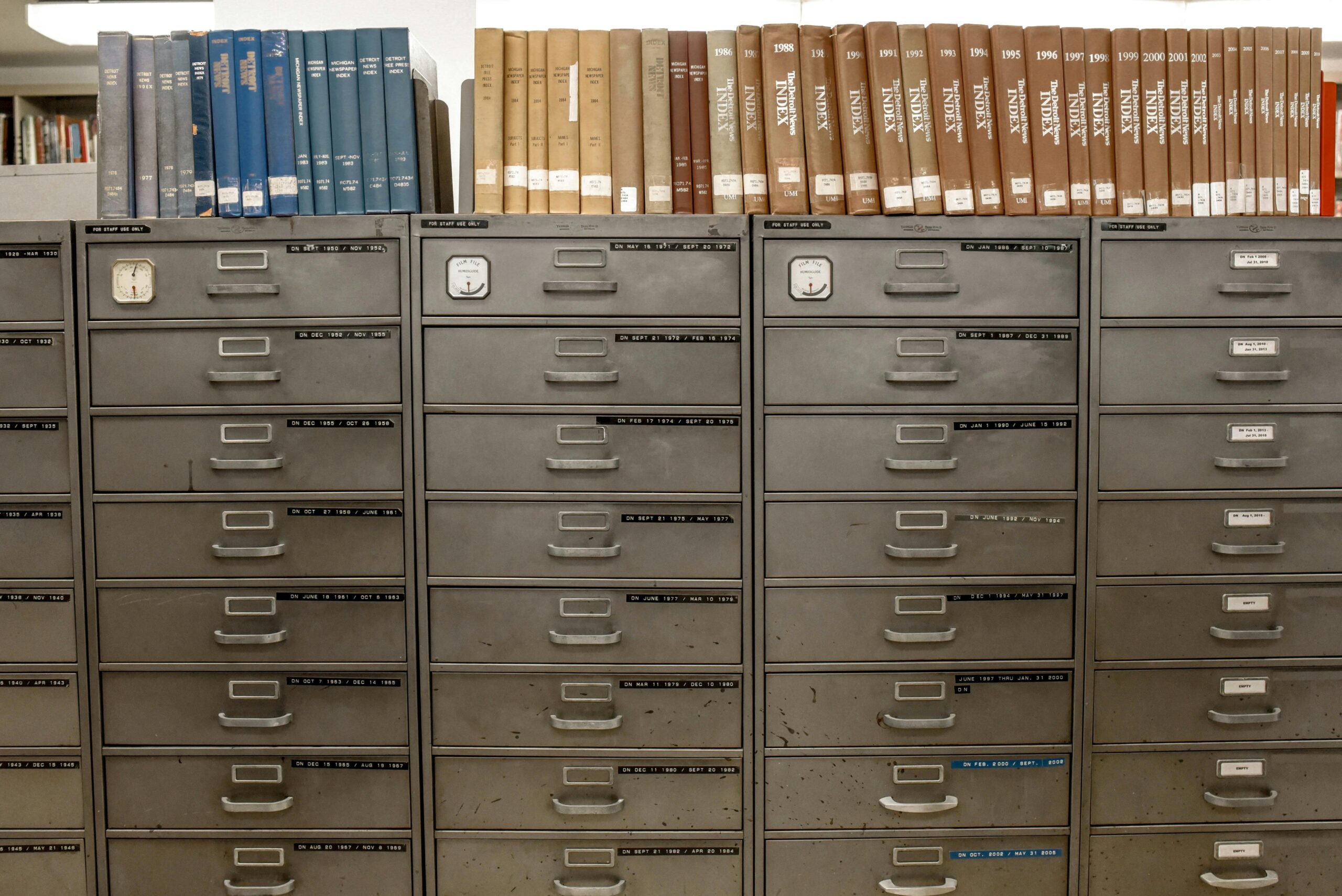
Proper shelving protects storage containers while maximizing space efficiency. Metal powder-coated shelving provides stability without off-gassing harmful chemicals. Avoid wood shelving, which releases acids and attracts pests. Ensure shelves can support the weight of fully loaded archival boxes.
Leave adequate space between shelves for box removal without forcing. Allow air circulation around stored materials, avoiding placement against exterior walls where temperature and humidity fluctuate. Keep all materials at least 4-6 inches above floor level to protect against flooding.
🖼️ Specialized Storage for Different Material Types
Various materials require tailored preservation approaches. Understanding specific needs ensures each item type receives appropriate protection.
Photograph Preservation
Photographs represent some of the most vulnerable archival materials. Different photographic processes require specific handling. Store prints in polyester, polypropylene, or polyethylene sleeves—never PVC, which releases harmful plasticizers. Separate photographs from acidic mounting materials and magnetic albums.
Glass plate negatives and film require specialized housing. Store negatives vertically in archival envelopes within boxes designed for their dimensions. Color photographs demand cooler storage temperatures than black-and-white images due to their greater chemical instability.
Digital Media Preservation
Digital storage presents unique challenges requiring different strategies than physical materials. No digital storage medium lasts forever. CDs, DVDs, hard drives, and flash media all have limited lifespans measured in years rather than centuries.
Implement a comprehensive digital preservation strategy including:
- Multiple backup copies on different media types
- Regular migration to new formats and storage technologies
- Cloud storage for geographic redundancy
- Verification routines confirming data integrity
- Documentation of file formats and metadata
Textile and Fabric Conservation
Textiles including quilts, clothing, and flags require careful folding or rolling techniques. Crease lines become permanent damage points over time. Roll large textiles around acid-free tubes covered with washed cotton muslin. For items requiring folding, pad fold lines with crumpled acid-free tissue to prevent sharp creases.
Store textiles in acid-free boxes or wrap in washed, unbleached cotton muslin. Avoid plastic bags that trap moisture. Clean textiles before storage, as stains and soils accelerate deterioration. Consider professional conservation consultation for valuable or fragile textile items.
🛡️ Protecting Against Common Preservation Threats
Beyond environmental factors, various threats can damage archival collections. Proactive measures minimize these risks.
Pest Prevention and Control
Insects, rodents, and mold pose significant threats to archival materials. Regular inspection helps detect infestations early. Look for signs including droppings, damaged materials, webbing, or musty odors. Clean storage areas regularly, removing food sources and nesting materials.
Integrated pest management relies on prevention rather than chemical treatments. Seal entry points, maintain appropriate environmental conditions, and keep storage areas clean. When infestations occur, consult preservation professionals before applying treatments that might damage archival materials.
Disaster Preparedness Planning
Floods, fires, and other disasters can destroy collections instantly. Develop emergency response plans before disasters strike. Identify valuable items requiring priority salvage. Store especially irreplaceable materials in multiple locations when possible.
Emergency supplies should include plastic sheeting, absorbent materials, fans, and contact information for conservation professionals specializing in disaster recovery. Document collections photographically, creating records stored separately from physical materials.
🔍 Handling and Access Procedures
Even with perfect storage, improper handling causes damage. Establish protocols ensuring materials remain protected during use.
Safe Handling Guidelines
Always handle archival materials with clean, dry hands or nitrile gloves. Support items from underneath rather than pulling by edges. Turn pages carefully, never folding corners or using fingers to separate stuck pages. Remove jewelry that might scratch or catch on delicate materials.
Create designated examination areas with clean surfaces. Provide cushioned book cradles for bound volumes, preventing spine damage. Use weights covered in acid-free paper or fabric to hold pages open, never forcing materials flat.
Documentation and Inventory Systems
Comprehensive documentation facilitates collection management and helps track preservation needs. Create detailed inventories noting condition, storage location, and any conservation concerns. Regular condition assessments identify deterioration before it becomes severe.
Digital documentation systems offer powerful collection management capabilities. Photograph items during processing, creating visual records supplementing written descriptions. Database systems enable searching, tracking preservation activities, and generating reports about collection status.
💡 DIY Archival Storage Solutions
Professional archival supplies can be expensive, but effective preservation doesn’t always require specialized products. Budget-conscious alternatives provide adequate protection for many collections.
Purchase archival-quality storage supplies from reputable vendors specializing in preservation products. While initially more expensive than standard office supplies, proper archival materials prove cost-effective by preventing deterioration requiring expensive conservation treatments.
For temporary or transitional storage, prioritize environmental control over expensive enclosures. Maintaining stable temperature and humidity in standard boxes provides better protection than archival boxes in poor environments. Upgrade to higher-quality housing as budgets allow.
🎯 When to Consult Professional Conservators
Some preservation challenges exceed DIY capabilities. Professional conservators possess specialized training and equipment for complex treatments. Consider professional consultation for:
- Damaged or deteriorated items requiring stabilization
- Collections of significant monetary or historical value
- Materials requiring specialized knowledge beyond general preservation
- Disaster recovery following floods, fires, or other emergencies
- Developing comprehensive preservation plans for large collections
Professional organizations including the American Institute for Conservation maintain directories of qualified conservators. Many professionals offer consultations helping assess preservation needs and prioritize conservation activities within budget constraints.
🌟 Building Your Personal Preservation Program
Effective archival storage requires commitment rather than perfection. Start with assessment, identifying what needs preservation and existing conditions. Prioritize materials based on value, vulnerability, and use frequency. Irreplaceable items demand immediate attention, while duplicated materials can wait.
Implement improvements incrementally. Begin with environmental controls, achieving stable temperature and humidity. Upgrade storage containers gradually, starting with most vulnerable materials. Develop handling protocols and train family members or staff in proper techniques.
Regular monitoring ensures preservation efforts remain effective. Inspect collections periodically for signs of deterioration, pest activity, or environmental problems. Adjust strategies based on observations, recognizing that preservation represents an ongoing commitment rather than a one-time project.
🚀 Embracing Technology for Enhanced Preservation
Modern technology offers tools enhancing traditional preservation methods. Digital surrogates reduce handling of fragile originals. High-resolution scanning creates backup copies while enabling sharing without risking physical materials.
Environmental monitoring devices track temperature and humidity continuously, alerting to conditions requiring intervention. Data logging identifies patterns helping optimize storage environments. Some systems integrate with climate control equipment, automatically adjusting conditions.
Collection management software streamlines documentation and inventory processes. Cloud-based platforms enable remote access while providing data backup. Mobile applications facilitate condition assessments and documentation during collection surveys.
🎓 Continuing Education and Resources
Preservation knowledge continues evolving as research reveals new insights and technologies emerge. Stay current through professional organizations, workshops, and online resources. Many institutions offer free webinars covering preservation topics.
The Library of Congress, National Archives, and regional preservation organizations provide excellent educational materials. Online communities connect preservation practitioners, enabling knowledge sharing and problem-solving. Local historical societies often sponsor preservation workshops open to community members.
Books and publications from conservation organizations offer detailed guidance. While online resources provide convenient access to information, comprehensive texts cover topics in greater depth. Build a personal preservation library addressing your collection’s specific needs.
Mastering archival storage transforms from overwhelming challenge to achievable goal through systematic application of preservation principles. Whether protecting family photographs, business records, or cultural heritage materials, proper storage ensures these treasures survive for future generations. Begin today with available resources, gradually enhancing protection as knowledge and budgets grow. Every improvement extends material lifespans, preserving connections to history that might otherwise disappear. The investment in proper archival storage pays dividends measured not in dollars but in preserved memories, protected heritage, and secured legacies that transcend our own lifetimes.