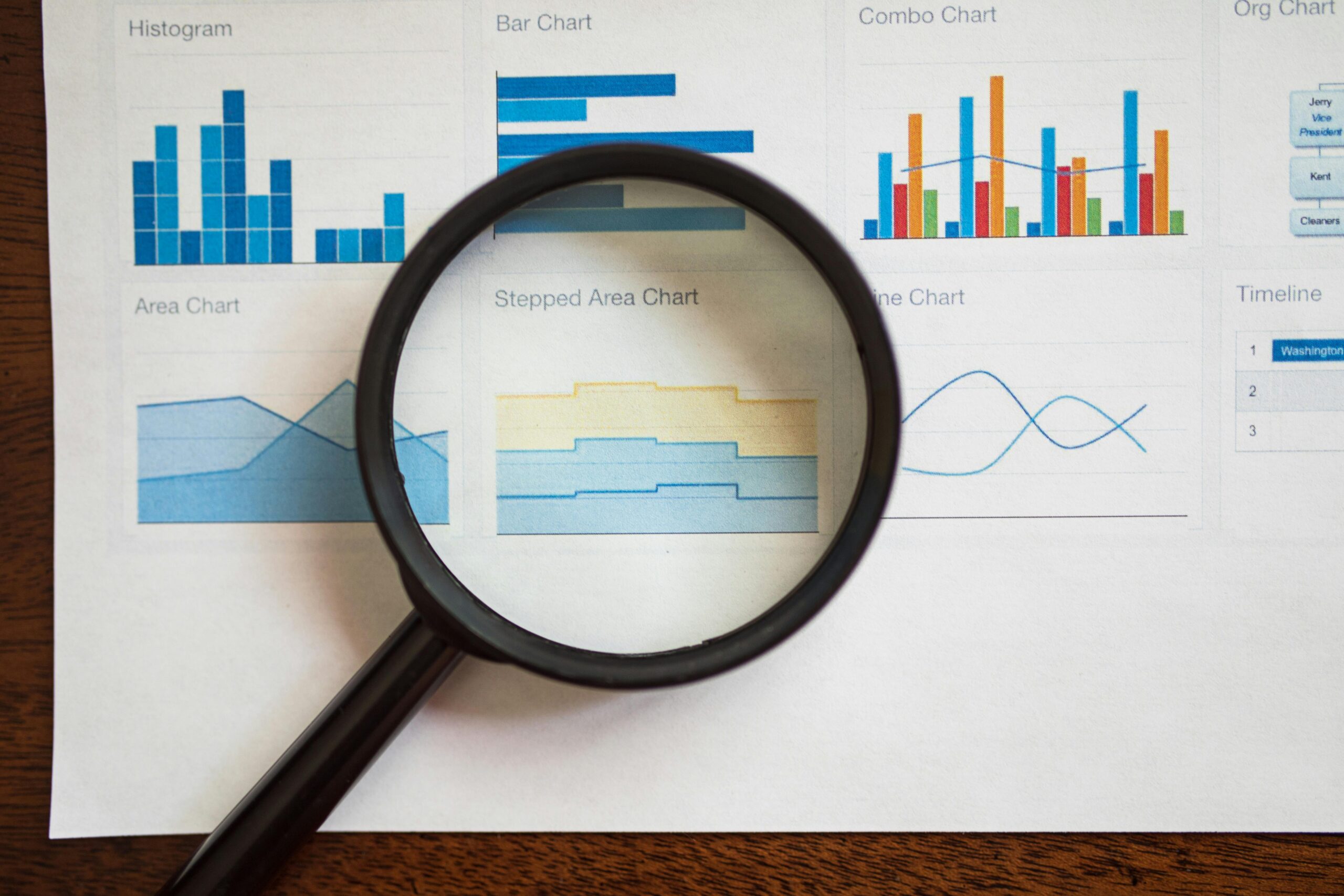
Geographic unit mapping transforms raw location data into actionable intelligence, empowering organizations to make smarter decisions through spatial visualization and analysis.

In today’s data-driven landscape, the ability to visualize and interpret geographic information has become a critical competitive advantage. Whether you’re managing supply chains, analyzing market demographics, planning urban infrastructure, or conducting environmental research, mastering geographic unit mapping opens doors to insights that traditional data analysis simply cannot provide. This comprehensive guide explores how advanced mapping techniques can revolutionize the way you understand spatial relationships and optimize strategic decisions.
🗺️ Understanding Geographic Unit Mapping Fundamentals
Geographic unit mapping refers to the process of dividing geographical space into discrete, measurable units for analysis and visualization. These units can range from census blocks and zip codes to countries and continents, depending on the scale and purpose of your analysis. The power of this approach lies in its ability to aggregate complex data into meaningful spatial patterns that reveal trends, correlations, and anomalies.
The foundation of effective geographic unit mapping rests on three core principles: spatial accuracy, data integration, and meaningful representation. Spatial accuracy ensures that your map coordinates align precisely with real-world locations. Data integration involves connecting multiple data sources to geographic boundaries. Meaningful representation translates numerical data into visual elements that communicate insights instantly.
Modern geographic information systems have evolved dramatically from paper maps and manual plotting. Today’s digital platforms leverage sophisticated algorithms, real-time data feeds, and interactive visualization tools that allow users to explore geographic relationships dynamically. This technological evolution has democratized spatial analysis, making it accessible to professionals across industries without requiring specialized cartography training.
The Strategic Value of Precision in Geographic Mapping
Precision in geographic unit mapping directly impacts decision quality. When your maps accurately reflect reality, your strategies build on solid ground. Conversely, imprecise mapping can lead to costly mistakes, misallocated resources, and missed opportunities. The difference between success and failure often comes down to the granularity and accuracy of your spatial data.
Consider retail expansion planning: a business using precise geographic mapping can identify not just promising cities, but specific neighborhoods with optimal demographic profiles, accessible transportation, competitive density, and foot traffic patterns. This level of detail transforms expansion from educated guessing into data-driven strategy.
Healthcare organizations leverage precision mapping to optimize emergency response times, identify disease outbreak patterns, and ensure equitable service distribution. Environmental scientists use detailed geographic units to monitor ecosystem changes, track pollution sources, and model climate impact scenarios. Emergency management teams rely on accurate mapping to coordinate disaster response and allocate resources where they’re needed most.
Achieving Geographic Precision Through Data Quality
The precision of your geographic unit mapping depends fundamentally on data quality. Five critical factors determine mapping accuracy: coordinate precision, boundary definition clarity, temporal consistency, attribute completeness, and update frequency. Each element requires careful attention throughout the mapping process.
Coordinate precision refers to the exactness of latitude and longitude values. While consumer GPS devices typically provide accuracy within several meters, professional surveying equipment can achieve centimeter-level precision. Your required precision level depends on application needs—urban planning demands higher accuracy than national demographic analysis.
Boundary definition clarity becomes crucial when working with administrative units like districts, counties, or voting precincts. These boundaries change over time through redistricting, annexation, or political reorganization. Using outdated boundary definitions introduces systematic errors that compound across analyses.
📊 Optimizing Strategic Decisions Through Spatial Analysis
Geographic unit mapping transforms decision-making by revealing spatial patterns invisible in spreadsheets and traditional reports. When you visualize data geographically, relationships between location and outcomes become immediately apparent, enabling faster, more confident strategic choices.
Business intelligence teams use geographic mapping to identify market opportunities, optimize territory assignments, and forecast regional demand. By overlaying sales performance data with demographic information, transportation networks, and competitor locations, organizations develop nuanced understanding of market dynamics that drive revenue growth.
Logistics operations depend heavily on geographic optimization. Route planning, warehouse location selection, delivery zone design, and fleet allocation all benefit from sophisticated geographic unit mapping. Companies that excel at spatial optimization consistently outperform competitors on delivery speed, fuel efficiency, and customer satisfaction metrics.
Multi-Layered Analysis for Complex Decision Environments
The true power of geographic unit mapping emerges when analyzing multiple data layers simultaneously. Modern mapping platforms allow users to overlay numerous datasets—population density, income levels, educational attainment, infrastructure quality, environmental factors, and countless other variables—creating rich analytical environments where complex patterns become visible.
For example, a telecommunications company planning network expansion might combine population density maps, existing coverage areas, terrain elevation data, building heights, competitor service zones, and economic indicators. This multi-layered approach reveals optimal investment locations that balance market potential, technical feasibility, and competitive positioning.
Public health officials fighting infectious disease outbreaks overlay case locations, population movements, healthcare facility capacity, socioeconomic factors, and environmental conditions. This comprehensive spatial view enables targeted intervention strategies that maximize impact while minimizing resource expenditure.
🎨 Advanced Visualization Techniques That Tell Compelling Stories
Effective geographic visualization goes beyond simply plotting points on maps. The art and science of cartographic design transforms data into narratives that inform, persuade, and inspire action. Strategic use of color, symbols, scale, and interactive elements determines whether your map communicates insights or creates confusion.
Color selection significantly impacts map readability and interpretation. Sequential color schemes work best for continuous data like temperature or elevation, progressing from light to dark as values increase. Diverging color schemes highlight deviations from a central value, perfect for showing performance above or below targets. Categorical color schemes distinguish between unrelated groups like political parties or product categories.
Symbol design choices affect how quickly viewers grasp map information. Proportional symbols vary in size to represent quantitative differences—larger circles for higher values, smaller for lower. Graduated symbols use size categories rather than exact proportions, simplifying visual interpretation. Dot density maps place individual dots to represent population or event distribution, creating intuitive density visualizations.
Interactive Mapping: Engagement Through Exploration
Static maps have given way to interactive experiences that engage users and facilitate deeper exploration. Modern geographic mapping platforms enable zoom functionality, layer toggling, data filtering, time animation, and custom queries that transform passive viewing into active investigation.
Interactive maps empower users to ask and answer their own questions. A real estate investor might toggle between crime statistics, school ratings, property values, and development plans to evaluate neighborhood potential. A journalist investigating environmental justice issues could filter pollution data by facility type while comparing with demographic information to reveal disparate impact patterns.
Time-series animation brings temporal dimensions to geographic analysis, showing how patterns evolve. Epidemiologists track disease spread across regions over weeks. Urban planners visualize traffic congestion patterns throughout the day. Climate researchers demonstrate temperature changes across decades. These animated visualizations communicate dynamic processes more effectively than static snapshots ever could.
Essential Technologies Powering Modern Geographic Mapping
Geographic unit mapping relies on an ecosystem of interconnected technologies that collect, process, store, analyze, and visualize spatial data. Understanding these technological components helps you select appropriate tools and maximize their capabilities for your specific applications.
Geographic Information Systems (GIS) form the foundation of spatial analysis, providing comprehensive platforms for managing geographic data and performing complex spatial operations. Leading GIS platforms offer capabilities ranging from simple map creation to sophisticated spatial modeling, network analysis, and three-dimensional visualization.
Global Positioning Systems (GPS) and other satellite navigation technologies provide the coordinate data that grounds digital maps in physical reality. Modern smartphones, vehicles, and IoT devices continuously generate location data that feeds real-time mapping applications, enabling dynamic responses to changing conditions.
Cloud-Based Mapping Platforms Democratize Access
Cloud computing has revolutionized geographic mapping by eliminating infrastructure barriers and enabling collaboration at unprecedented scales. Cloud-based mapping platforms offer instant access to powerful analytical tools, massive spatial datasets, and scalable computing resources without requiring local installation or hardware investment.
These platforms facilitate real-time collaboration, allowing distributed teams to work simultaneously on shared mapping projects. Version control, role-based access permissions, and audit trails ensure data integrity while supporting organizational workflows. Automated updates keep basemaps, boundaries, and reference datasets current without manual intervention.
Application Programming Interfaces (APIs) enable developers to embed mapping functionality directly into custom applications, websites, and business systems. Location-based services, geocoding, routing, and spatial analysis capabilities integrate seamlessly into diverse software environments, extending geographic intelligence throughout organizational technology stacks.
🚀 Implementing Geographic Mapping in Your Organization
Successfully implementing geographic unit mapping requires more than adopting new software—it demands strategic planning, skill development, data preparation, and organizational change management. Organizations that approach implementation systematically achieve better outcomes and higher user adoption rates.
Begin by clearly defining your mapping objectives and use cases. What decisions will geographic analysis inform? Which stakeholders need access to spatial insights? What data sources will feed your mapping initiatives? Answering these fundamental questions shapes technology selection, resource allocation, and success metrics.
Data inventory and preparation typically consume significant implementation effort. Catalog existing data assets, assess their spatial components, and evaluate quality. Many organizations discover that valuable data lacks geographic identifiers or contains inconsistent location information requiring cleanup before mapping use.
Building Organizational Mapping Capacity
Technology alone doesn’t guarantee successful geographic mapping adoption—people and processes matter equally. Invest in training programs that develop spatial thinking skills alongside technical proficiency. Encourage experimentation with mapping tools and celebrate early wins that demonstrate value to skeptical stakeholders.
Establish governance frameworks that maintain data quality, ensure security compliance, and prevent proliferation of conflicting spatial analyses. Define standards for coordinate systems, data formats, visualization styles, and documentation practices. Clear governance prevents chaos as mapping adoption spreads across departments.
Create communities of practice that connect mapping practitioners across your organization. These forums facilitate knowledge sharing, problem-solving collaboration, and best practice development. As mapping expertise grows, these communities become innovation engines driving advanced applications and continuous improvement.
Industry-Specific Applications Demonstrating Mapping Impact
Geographic unit mapping delivers value across virtually every industry, though specific applications vary by sector. Examining successful implementations across diverse fields illustrates the versatility and transformative potential of spatial analysis.
Retail organizations use geographic mapping for site selection, trade area analysis, customer profiling, and marketing campaign optimization. By understanding where customers live, shop, and travel, retailers position stores strategically, tailor merchandise assortments to local preferences, and target promotions precisely.
Agriculture increasingly depends on precision farming techniques that leverage geographic mapping. Farmers analyze soil composition variations, moisture levels, crop health indicators, and yield patterns across fields. This spatial intelligence guides variable-rate application of seeds, fertilizers, and pesticides, improving productivity while reducing environmental impact.
Public Sector Innovation Through Geographic Intelligence
Government agencies at all levels rely heavily on geographic unit mapping for planning, service delivery, and policy development. Transportation departments optimize road maintenance schedules, plan infrastructure improvements, and manage traffic flow using spatial analysis. Social services agencies identify underserved communities and allocate resources equitably.
Law enforcement agencies use crime mapping to identify hot spots, allocate patrol resources, and evaluate intervention effectiveness. Predictive policing algorithms analyze historical crime patterns alongside environmental factors to forecast where incidents are likely to occur, enabling proactive prevention strategies.
Environmental protection agencies monitor air and water quality, track habitat changes, manage protected areas, and enforce regulations using sophisticated geographic mapping. Spatial analysis helps identify pollution sources, model contamination spread, and prioritize remediation efforts where they’ll achieve maximum environmental benefit.
🔮 Future Trends Shaping Geographic Mapping Evolution
Geographic unit mapping continues evolving rapidly as new technologies, data sources, and analytical methods emerge. Understanding these trends helps organizations prepare for future capabilities and position themselves advantageously as the field advances.
Artificial intelligence and machine learning increasingly augment human geographic analysis. Algorithms automatically identify spatial patterns, classify land use from satellite imagery, predict future trends, and optimize complex spatial decisions. As these technologies mature, they’ll handle routine analytical tasks while humans focus on strategic interpretation and decision-making.
Real-time mapping grows more prevalent as sensor networks, connected devices, and edge computing enable continuous data collection and instant analysis. Transportation systems respond dynamically to current traffic conditions. Utility companies detect and respond to outages immediately. Emergency services coordinate responses using live situational awareness rather than static plans.
Three-Dimensional and Immersive Mapping Experiences
Geographic visualization is expanding beyond two-dimensional maps into three-dimensional models and immersive virtual environments. Urban planners walk through proposed developments using virtual reality before construction begins. Archaeologists explore ancient sites recreated from lidar scans. Students experience geographical concepts through augmented reality overlays on physical landscapes.
These immersive experiences enhance spatial understanding in ways traditional maps cannot match. By experiencing geographic data from multiple perspectives and scales, users develop intuitive grasp of spatial relationships and patterns that inform better decisions.
Increased integration between geographic mapping and other analytical domains creates powerful hybrid approaches. Combining spatial analysis with temporal analytics reveals how patterns change over time. Integrating network analysis shows how locations connect through relationships beyond physical proximity. Merging geographic and statistical modeling produces sophisticated predictive capabilities.
Overcoming Common Geographic Mapping Challenges
Despite tremendous potential, organizations implementing geographic unit mapping face recurring challenges that can derail initiatives or limit value realization. Recognizing these obstacles and applying proven mitigation strategies increases implementation success rates significantly.
Data integration difficulties top the list of common challenges. Geographic data often exists in incompatible formats, uses different coordinate systems, or employs inconsistent geographic identifiers. Resolving these discrepancies requires data transformation expertise and patience, but investment in proper integration pays dividends through more comprehensive and reliable analysis.
Performance issues emerge when working with large spatial datasets or complex analytical operations. Map rendering can slow to frustrating speeds, spatial queries may timeout, and visualization tools may struggle with millions of data points. Addressing performance requires optimization techniques including data aggregation, spatial indexing, server-side processing, and progressive rendering strategies.
Privacy and Security Considerations in Location Data
Geographic mapping involving individual locations raises important privacy concerns. Location data can reveal sensitive information about movements, behaviors, and associations. Organizations must implement robust privacy protections including data anonymization, access controls, consent management, and compliance with regulations like GDPR and CCPA.
Security vulnerabilities specific to geographic systems require attention. Protecting critical infrastructure maps from unauthorized access prevents potential exploitation. Ensuring spatial data integrity prevents malicious manipulation that could compromise decision-making. Implementing authentication, encryption, and audit logging secures geographic information assets appropriately.
User adoption resistance sometimes hampers geographic mapping implementations, particularly in organizations with established analytical traditions. People comfortable with spreadsheets and traditional reports may resist adopting spatial approaches. Overcoming resistance requires demonstrating clear value, providing adequate training, and ensuring maps complement rather than replace existing tools.
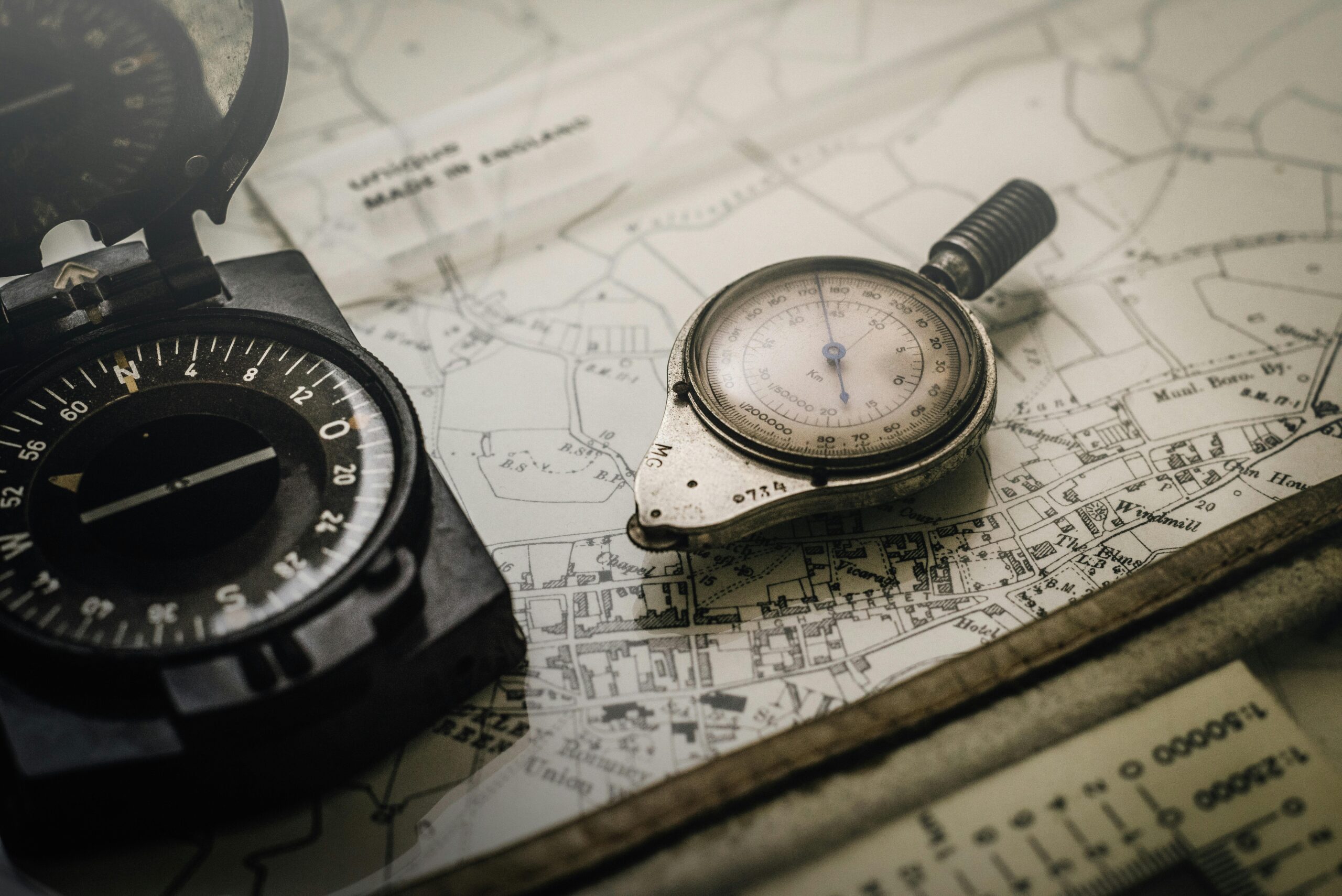
Measuring Geographic Mapping Success and ROI
Justifying continued investment in geographic mapping capabilities requires demonstrating tangible value and return on investment. Establishing clear metrics aligned with organizational objectives enables systematic evaluation of mapping initiatives and guides continuous improvement efforts.
Decision quality metrics assess whether geographic mapping improves organizational choices. Track decision speed—do spatial analyses enable faster conclusions? Measure decision accuracy—do geography-informed strategies produce better outcomes? Monitor confidence levels—do decision-makers feel more certain when supported by spatial intelligence?
Operational efficiency gains often provide quantifiable ROI. Calculate time saved through automated geocoding versus manual address processing. Measure fuel costs reduced through route optimization. Quantify resource allocation improvements resulting from spatial analysis. These concrete savings justify mapping investments and fund expansion.
Strategic impact represents the ultimate measure of geographic mapping value, though it’s often harder to quantify precisely. Has mapping revealed market opportunities competitors missed? Did spatial analysis prevent costly mistakes? Has geographic intelligence created competitive advantages that translate to revenue growth or market share gains? These strategic outcomes validate mapping as essential capability rather than optional enhancement.
Geographic unit mapping represents far more than creating pretty pictures with data points. It’s a fundamental analytical discipline that reveals insights hidden in location relationships, optimizes decisions through spatial intelligence, and communicates complex patterns through intuitive visualization. Organizations that master geographic mapping gain powerful competitive advantages in increasingly complex, data-rich environments. As technologies advance and data proliferates, spatial thinking becomes not just valuable but essential for navigating modern challenges and seizing emerging opportunities. The journey toward mapping mastery demands investment in technology, skills, and organizational change, but the destination—precision, optimization, and unprecedented insight—makes that journey worthwhile.