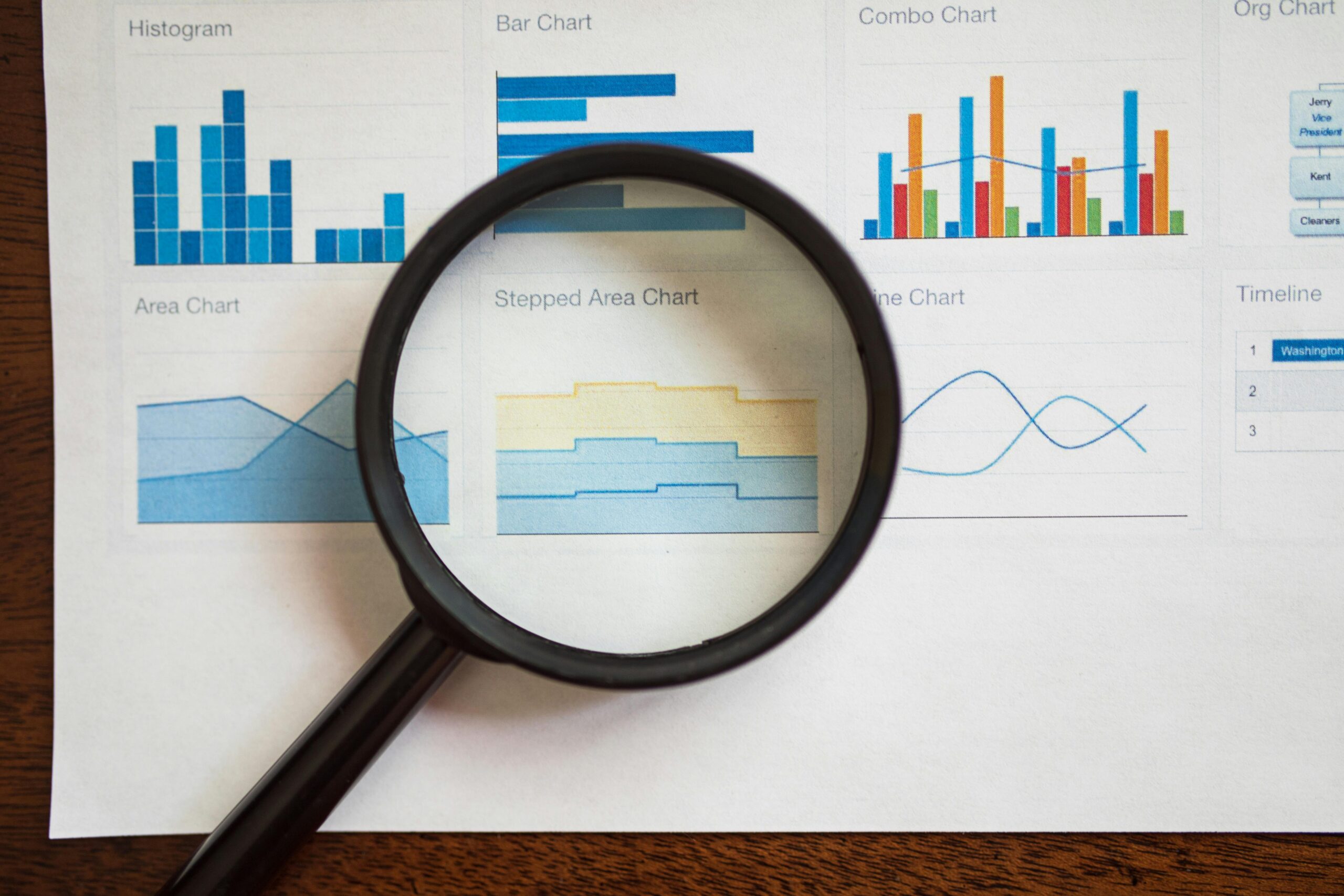
Standardized reporting formats transform how organizations share data, enabling teams to communicate faster, reduce errors, and make informed decisions with confidence.

🚀 Why Your Organization Needs Standardized Reporting Now
In today’s fast-paced business environment, the ability to share information quickly and accurately can make or break organizational success. Yet many companies struggle with inconsistent data formats, incompatible systems, and communication breakdowns that waste valuable time and resources. The solution lies in implementing standardized reporting formats that create a common language for data exchange across departments, teams, and even external partners.
Standardized reporting formats provide a framework that ensures everyone interprets data the same way, regardless of their role or location. This consistency eliminates the confusion that arises when different teams use varying terminologies, metrics, or presentation styles. When reports follow a predictable structure, stakeholders can quickly locate the information they need without deciphering unfamiliar layouts or searching through disorganized content.
The business case for standardization extends beyond mere convenience. Organizations that adopt uniform reporting practices experience measurable improvements in productivity, decision-making speed, and data accuracy. These benefits compound over time, creating competitive advantages that distinguish industry leaders from those still mired in manual, inconsistent reporting processes.
📊 The Hidden Costs of Inconsistent Reporting Practices
Before exploring solutions, it’s crucial to understand the true impact of fragmented reporting systems. Many organizations underestimate how much inefficiency costs them until they calculate the cumulative effect of these daily friction points.
Time waste represents the most obvious cost. When team members receive reports in unfamiliar formats, they spend precious minutes—sometimes hours—decoding information that should be immediately actionable. Multiply this delay across dozens of reports and hundreds of employees, and the productivity drain becomes staggering. Studies show that knowledge workers spend approximately 20% of their time searching for internal information or tracking down colleagues who can help with specific questions.
Data integrity issues create another hidden expense. When people manually reformat data to fit different reporting requirements, transcription errors inevitably occur. A misplaced decimal point or transposed number can lead to flawed analysis and poor decisions. These mistakes often go undetected until they’ve already caused financial damage or operational disruptions.
Communication breakdowns further compound these problems. When departments use different metrics or presentation styles, cross-functional collaboration becomes unnecessarily difficult. Marketing might measure campaign success differently than sales evaluates lead quality, creating disconnects that prevent unified strategy execution. These misalignments slow progress and create organizational silos that hinder innovation.
✨ Core Components of Effective Standardized Reporting
Creating truly effective standardized reporting formats requires more than simply choosing a template. Organizations must thoughtfully design systems that balance consistency with flexibility, ensuring reports remain useful across diverse contexts while maintaining their structural integrity.
Consistent Data Definitions and Terminology
The foundation of any standardized reporting system is a shared vocabulary. Organizations must establish clear definitions for key metrics, ensuring everyone interprets terms like “customer,” “revenue,” or “conversion rate” identically. This data dictionary becomes the authoritative reference that resolves ambiguities and prevents misunderstandings.
Creating this common language requires input from stakeholders across the organization. Different departments may have legitimate reasons for measuring things differently, and the standardization process must reconcile these perspectives into unified definitions that serve everyone’s needs. This collaborative approach ensures buy-in and reduces resistance to change.
Structured Report Layouts and Templates
Visual consistency accelerates comprehension. When reports follow predictable layouts, readers develop mental models that help them quickly navigate content. Key information should always appear in the same locations, using consistent formatting, colors, and visual hierarchies.
Effective templates include standardized sections such as executive summaries, methodology explanations, data visualizations, detailed findings, and recommendations. Each section serves a specific purpose and follows formatting guidelines that make information scannable and digestible. Headers, subheaders, and visual elements guide readers through the narrative without overwhelming them with dense text blocks.
Automated Data Integration and Validation
Manual data entry represents the weakest link in reporting workflows. Automation tools that pull information directly from source systems eliminate transcription errors while saving countless hours. These integrations ensure reports reflect real-time data rather than outdated snapshots that may no longer represent current conditions.
Built-in validation rules catch anomalies before reports reach end users. Automated checks can flag impossible values, identify missing data, detect unusual patterns, and verify calculations. This quality assurance layer prevents flawed information from propagating through the organization and informing critical decisions.
💡 Implementing Standardization Without Disrupting Operations
Transitioning to standardized reporting formats requires careful change management. Organizations that attempt wholesale transformations overnight often face resistance and implementation failures. A phased approach yields better results while minimizing disruption to ongoing operations.
Begin by identifying the highest-impact reports that would benefit most from standardization. These typically include executive dashboards, financial statements, operational metrics, and compliance documents. Focusing initial efforts on these critical reports demonstrates value quickly, building momentum for broader adoption.
Engage end users throughout the design process. The people who will actually use these reports possess invaluable insights about what information matters most and how it should be presented. Their participation increases the likelihood that standardized formats will genuinely improve workflows rather than simply imposing arbitrary requirements.
Provide comprehensive training and documentation. Even well-designed standardized formats will fail if people don’t understand how to use them effectively. Training sessions should cover both technical mechanics and strategic context, explaining not just how to create standardized reports but why this consistency matters for organizational success.
Establish feedback mechanisms that allow continuous improvement. Initial standardized formats may not perfectly serve every need, and organizations should remain open to refinements based on user experience. Regular review cycles ensure reporting standards evolve alongside changing business requirements.
🔧 Technology Tools That Enable Seamless Data Sharing
Modern technology platforms provide powerful capabilities for creating, distributing, and maintaining standardized reports. Selecting the right tools depends on organizational size, technical sophistication, existing systems, and specific reporting requirements.
Business intelligence platforms like Tableau, Power BI, and Looker offer robust features for building standardized dashboards and reports. These tools connect to multiple data sources, apply consistent formatting, and enable self-service analytics while maintaining governance controls. Their visualization capabilities transform raw data into compelling narratives that drive action.
Collaboration platforms such as Microsoft Teams, Slack, and Notion facilitate report distribution and discussion. Integration with reporting tools allows automated delivery of standardized reports directly into communication channels where teams already work. This seamless distribution ensures information reaches stakeholders without requiring them to visit separate systems.
Document management systems provide version control, access management, and audit trails for standardized reports. These platforms ensure everyone works from the most current information while maintaining historical records for compliance and analysis purposes. Features like commenting and annotation enable collaborative refinement without fragmenting discussions across email threads.
API-based integrations connect disparate systems, enabling data flow between applications without manual intervention. These connections ensure standardized reports automatically incorporate information from CRM systems, financial software, project management tools, and other enterprise applications. The result is a unified view that reflects the complete business picture.
📈 Measuring the Impact of Standardized Reporting
Organizations must track specific metrics to quantify the benefits of standardized reporting initiatives. These measurements demonstrate ROI, justify continued investment, and identify opportunities for further optimization.
Time savings represent the most immediate and tangible benefit. Track how long report creation and consumption take before and after standardization. Most organizations see 30-50% reductions in time spent preparing and interpreting reports once standardized formats are fully adopted.
Data accuracy improvements protect against costly errors. Monitor error rates, the frequency of report revisions, and incidents caused by data misinterpretation. Standardization typically reduces these problems significantly as automated validation and consistent definitions eliminate common mistake sources.
Decision-making speed accelerates when information becomes more accessible and understandable. Measure the time between data availability and action taken. Organizations with effective standardized reporting often make decisions days or weeks faster than competitors still struggling with fragmented information systems.
User satisfaction scores reveal whether standardization genuinely improves experience or simply imposes bureaucratic requirements. Regular surveys help identify pain points and refinement opportunities. High satisfaction scores indicate that standardized formats are truly serving user needs rather than creating additional frustration.
🌐 Industry-Specific Applications and Best Practices
Different sectors face unique reporting challenges that influence how standardization should be implemented. Understanding these industry-specific considerations ensures standardized formats address real-world requirements rather than imposing generic solutions.
Healthcare and Life Sciences
Healthcare organizations must balance standardization with strict privacy regulations like HIPAA. Standardized clinical reports need to consistently present patient data, treatment outcomes, and quality metrics while maintaining rigorous access controls. Interoperability standards like FHIR (Fast Healthcare Interoperability Resources) enable data exchange between different healthcare systems using common formats.
Financial Services
Financial institutions operate under extensive regulatory requirements that demand precise, auditable reporting. Standardized formats help ensure compliance with frameworks like Basel III, Solvency II, and various securities regulations. These organizations benefit from automated validation that catches discrepancies before reports reach regulators or investors.
Manufacturing and Supply Chain
Manufacturing operations require real-time visibility into production metrics, quality indicators, and supply chain status. Standardized reporting enables quick identification of bottlenecks, quality issues, and optimization opportunities. Integration with IoT sensors and manufacturing execution systems provides automated data feeds that populate standardized dashboards without manual intervention.
Professional Services
Consulting firms, law offices, and other professional services organizations need standardized client reporting that maintains brand consistency while accommodating varying engagement scopes. Template libraries with modular components allow teams to quickly assemble customized reports that still adhere to organizational standards.
🎯 Overcoming Common Implementation Challenges
Even well-planned standardization initiatives encounter obstacles. Anticipating these challenges and preparing mitigation strategies increases the likelihood of successful adoption.
Resistance to change represents the most common barrier. People accustomed to existing reporting methods may perceive standardization as unnecessary bureaucracy or a threat to their autonomy. Address this resistance through clear communication about benefits, involvement in design decisions, and demonstration of quick wins that prove value.
Legacy system limitations can complicate technical implementation. Older applications may not support modern integration methods or data export formats. In these cases, middleware solutions or phased system upgrades may be necessary to achieve full standardization while maintaining business continuity.
Balancing standardization with necessary customization requires nuanced judgment. While consistency is valuable, rigid formats that don’t accommodate legitimate variations will fail. Build flexibility into standardized templates through optional sections, configurable elements, and clear guidance about when exceptions are appropriate.
Maintaining standards over time demands ongoing governance. Without active management, standardized formats gradually degrade as individuals make small modifications that accumulate into significant inconsistencies. Establish a governance committee responsible for maintaining standards, reviewing change requests, and ensuring continued relevance.
🔮 Future Trends Shaping Reporting Standardization
Emerging technologies and evolving business needs continue reshaping how organizations approach standardized reporting. Forward-thinking companies are already exploring these trends to maintain competitive advantages.
Artificial intelligence and machine learning are automating report generation and insight extraction. AI can analyze data patterns, identify anomalies, generate natural language summaries, and even recommend actions based on standardized report content. These capabilities transform reporting from passive information delivery to active decision support.
Real-time reporting is replacing periodic snapshots as streaming data technologies mature. Standardized formats that update continuously provide unprecedented visibility into changing conditions, enabling proactive responses rather than reactive corrections. This shift requires rethinking traditional report structures designed for static moments in time.
Interactive visualizations are superseding static documents. Modern standardized reports allow users to explore data dynamically, drilling into details, adjusting parameters, and testing scenarios. This interactivity increases engagement and understanding while maintaining the structural consistency that standardization provides.
Blockchain technology offers potential for tamper-proof audit trails and verified data provenance. In industries where report integrity is paramount, blockchain-based standardized reporting could provide unprecedented assurance that information hasn’t been manipulated between creation and consumption.
🏆 Building a Culture of Data Excellence Through Standardization
Ultimately, standardized reporting formats succeed not just through technology implementation but through cultural transformation. Organizations that truly excel at data sharing cultivate environments where accuracy, consistency, and accessibility are deeply valued.
Leadership commitment sets the tone for organization-wide adoption. When executives consistently demand and use standardized reports, they signal that these practices matter. Leaders should model desired behaviors by refusing to make decisions based on non-standardized information and publicly recognizing teams that exemplify reporting excellence.
Data literacy programs ensure everyone possesses the skills to create and interpret standardized reports effectively. Training shouldn’t focus solely on technical mechanics but should develop critical thinking about data quality, appropriate visualization methods, and ethical data use. As data literacy improves, standardized reporting becomes second nature rather than a compliance burden.
Celebrating successes reinforces positive behaviors. Share stories about how standardized reporting enabled better decisions, prevented errors, or accelerated important initiatives. These narratives make abstract benefits concrete and motivate continued adherence to standards even when shortcuts might seem tempting.
Continuous improvement mindsets keep standardized reporting relevant as business needs evolve. Encourage experimentation within governance frameworks, pilot new approaches before broad rollouts, and regularly solicit feedback about what’s working and what needs adjustment. This dynamic approach prevents standardization from becoming rigid bureaucracy that stifles innovation.

💼 Transforming Standardization Into Strategic Advantage
Organizations that master standardized reporting gain capabilities that extend far beyond operational efficiency. These practices create strategic advantages that competitors struggle to replicate.
Faster market responses become possible when decision-makers access consistent, reliable information immediately. Companies can identify emerging trends, competitive threats, and customer needs more quickly than rivals still compiling fragmented reports. This speed translates directly into market share gains and customer satisfaction improvements.
Enhanced collaboration breaks down silos that hinder innovation. When everyone speaks the same data language, cross-functional teams work more effectively, combining diverse perspectives into unified strategies. Standardized reporting becomes the connective tissue that binds different parts of the organization into a cohesive whole.
Improved accountability follows naturally from transparent, consistent reporting. When performance metrics are clearly defined and universally understood, individuals and teams take greater ownership of results. Standardized dashboards make contributions visible, motivating excellence while quickly identifying areas needing support.
Scalability becomes achievable as organizations grow. Standardized formats that work for small teams can expand to accommodate thousands of users without losing effectiveness. This scalability allows companies to maintain agility even as complexity increases, avoiding the bureaucratic paralysis that often accompanies growth.
The journey toward standardized reporting requires commitment, resources, and patience, but the rewards justify the investment. Organizations that embrace this transformation position themselves to thrive in increasingly data-driven markets where information quality and accessibility separate winners from those left behind. By creating common languages for data exchange, implementing consistent formats, leveraging appropriate technologies, and fostering cultures of data excellence, companies unlock their full potential to communicate effectively and make decisions that drive sustainable success.