Energy transmission costs often lurk beneath the surface of your monthly bills, silently draining your budget while you focus solely on consumption rates and usage patterns.

💡 The True Anatomy of Your Energy Bill
When you receive your monthly energy statement, the figures staring back at you represent far more than simple kilowatt-hours consumed. Behind those numbers lies a complex infrastructure of costs that most consumers never fully understand. Transmission expenses account for a substantial portion of your total energy bill—typically between 25% and 40%—yet they remain one of the most misunderstood components of electricity pricing.
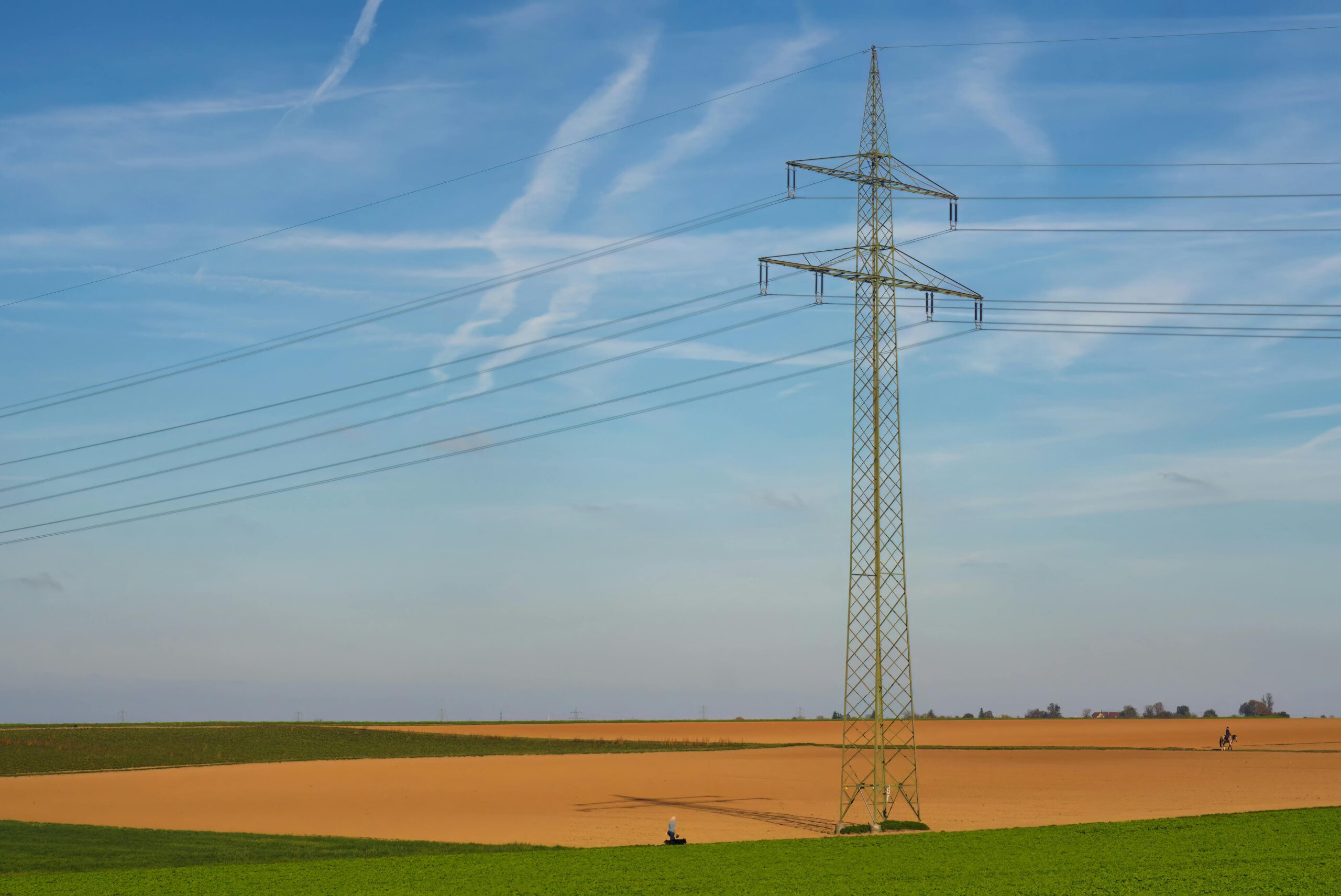
Understanding transmission costs requires looking beyond your personal energy consumption. These charges fund the vast network of high-voltage power lines, substations, transformers, and monitoring equipment that delivers electricity from generation facilities to your neighborhood. Unlike generation costs that fluctuate with fuel prices and demand, transmission expenses remain relatively stable, representing infrastructure investments that utilities must recover over decades.
🔌 Breaking Down Transmission Infrastructure Investments
The electrical grid represents one of humanity’s most impressive engineering achievements, spanning thousands of miles and requiring constant maintenance and upgrades. Transmission systems operate at extremely high voltages—often between 115,000 and 765,000 volts—to minimize energy losses over long distances. This sophisticated infrastructure doesn’t come cheap.
Major cost drivers in transmission infrastructure include:
- Construction and installation of high-voltage transmission lines across diverse terrain
- Right-of-way acquisition and ongoing land use agreements
- Specialized equipment including circuit breakers, transformers, and protective relays
- Regular maintenance programs to prevent outages and ensure reliability
- Regulatory compliance and environmental impact mitigation
- Smart grid technology integration and cybersecurity measures
- Emergency response capabilities and disaster recovery systems
The Hidden Price of Grid Modernization
As societies transition toward renewable energy sources and distributed generation, transmission networks require significant upgrades. Solar and wind farms often locate in remote areas with optimal natural resources, necessitating new transmission corridors to connect these facilities to population centers. These modernization costs inevitably flow through to consumers, though they promise long-term benefits including improved reliability and cleaner energy sources.
The aging infrastructure in many developed nations compounds these challenges. Transmission equipment installed during the mid-20th century now reaches the end of its operational lifespan, demanding replacement before failures occur. Utilities must balance proactive upgrades against rate impacts, creating ongoing tension between system reliability and affordability.
📊 Peak Demand and Its Costly Consequences
Transmission charges don’t simply reflect average usage—they’re heavily influenced by peak demand periods when the grid experiences maximum stress. During hot summer afternoons or cold winter mornings, electricity consumption surges as millions of air conditioners, heaters, and appliances operate simultaneously. These peak periods determine the capacity requirements for the entire transmission system.
Utilities must build transmission infrastructure capable of handling these maximum demand moments, even though such extreme conditions might occur only a few dozen hours per year. This creates a capacity paradox: expensive infrastructure sits partially unused most of the time, yet must exist to prevent blackouts during critical periods. Consumers ultimately fund this reserve capacity through transmission charges.
Time-of-Use Pricing Structures
Many utilities now implement time-of-use rates that charge different prices based on when you consume electricity. These pricing structures attempt to more accurately reflect the true cost of transmission during various periods. Peak hours typically carry significantly higher rates, encouraging consumers to shift usage to off-peak times when transmission systems operate well below capacity.
Understanding your utility’s time-of-use windows can dramatically impact your energy expenses. Simple behavioral changes—running dishwashers overnight, charging electric vehicles during off-peak hours, or precooling homes before peak periods—can reduce both your individual costs and the overall strain on transmission infrastructure.
🌍 Geographic Variables That Amplify Transmission Costs
Your physical location profoundly influences transmission expenses in ways you might never consider. Urban residents typically benefit from shorter transmission distances and shared infrastructure costs across dense populations. Rural customers, however, often face substantially higher per-customer transmission charges due to the extended infrastructure required to serve dispersed populations.
Mountain regions, coastal areas, and other challenging terrains require specialized transmission solutions that increase costs. Utilities must engineer transmission lines to withstand local weather patterns, from hurricane-force winds to heavy ice accumulation. Seismic considerations in earthquake-prone regions add another layer of complexity and expense.
Regional Grid Interconnections
Most transmission systems don’t operate in isolation—they connect with neighboring utilities through regional transmission organizations (RTOs) or independent system operators (ISOs). These interconnections enhance reliability and enable electricity trading between regions, but they also introduce complexity in cost allocation. Your transmission charges may partially fund infrastructure that primarily benefits neighboring regions, reflecting the interconnected nature of modern power systems.
⚡ Transmission Losses: The Invisible Energy Drain
As electricity travels through transmission lines, a portion of the energy dissipates as heat due to electrical resistance—a phenomenon known as transmission losses. While high-voltage systems minimize these losses, they still typically range from 2% to 10% of total electricity generated, depending on distance and grid efficiency. Someone must pay for this lost energy, and that someone is ultimately the consumer.
Transmission losses increase exponentially with distance, making long-distance electricity transport particularly inefficient. This reality drives ongoing debates about centralized versus distributed generation models. Local solar installations, for example, dramatically reduce transmission losses compared to electricity generated hundreds of miles away, though they introduce their own cost considerations.
💰 Regulatory Frameworks and Rate-Setting Mechanisms
Transmission costs don’t simply reflect operational expenses—they’re shaped by complex regulatory processes that vary by jurisdiction. Public utility commissions or similar regulatory bodies approve transmission investments and determine how utilities recover these costs from customers. Understanding these regulatory frameworks helps explain why transmission charges vary significantly between utilities serving similar populations.
Rate cases—formal proceedings where utilities justify their costs and proposed charges—occur periodically, typically every few years. These proceedings examine everything from infrastructure investments to operating efficiency, determining the rates you’ll pay for transmission services. Consumer advocates participate in these cases, attempting to balance utility financial needs against ratepayer affordability.
The Role of Return on Equity
Utilities earn an approved rate of return on their transmission infrastructure investments, compensating investors for providing capital and assuming risk. This return on equity significantly impacts transmission costs, as utilities maintain massive asset bases. Even small percentage differences in approved returns translate to substantial rate impacts for consumers, making return on equity a contentious issue in regulatory proceedings.
🏠 Practical Strategies for Reducing Your Transmission-Related Costs
While you can’t control transmission infrastructure investments or regulatory decisions, you can implement strategies that minimize your exposure to transmission charges. These approaches focus on reducing your contribution to peak demand and optimizing your overall energy consumption patterns.
Load Shifting and Peak Avoidance
Since transmission charges often correlate with peak demand contributions, reducing your electricity use during system peaks directly impacts your costs under many rate structures. Identify your utility’s peak periods and develop household routines that defer discretionary electricity use to off-peak times. Major appliances like water heaters, pool pumps, and electric vehicle chargers offer excellent load-shifting opportunities.
Smart home technology can automate load shifting, programming devices to operate during optimal hours without requiring constant attention. Programmable thermostats, smart plugs, and energy management systems enable sophisticated strategies that balance comfort against cost, learning your preferences while minimizing peak-period consumption.
On-Site Generation and Energy Storage
Solar panels or other on-site generation reduce your dependence on transmitted electricity, directly cutting transmission charges in most rate structures. When paired with battery storage systems, on-site generation becomes even more powerful, enabling you to store energy during low-cost periods and discharge during peak hours when transmission charges peak.
Net metering policies vary widely, affecting the economics of on-site generation. Some jurisdictions offer favorable net metering that credits excess generation at retail rates, while others provide only wholesale rates or impose demand charges that limit savings. Research your local policies before investing in generation equipment to ensure you understand the true financial implications.
Energy Efficiency as a Foundation
Reducing overall consumption remains the most reliable strategy for lowering energy bills, including transmission components. Efficiency improvements deliver savings across all rate components—generation, transmission, and distribution—making them universally beneficial regardless of your specific rate structure.
Focus efficiency investments on high-impact areas:
- HVAC system upgrades and regular maintenance for optimal performance
- Building envelope improvements including insulation and air sealing
- LED lighting conversion throughout your property
- Energy Star appliances when replacing existing equipment
- Water heating efficiency through heat pump technology or solar thermal systems
- Smart power strips to eliminate phantom loads from electronics
📱 Technology Tools for Monitoring and Optimization
Modern technology offers unprecedented visibility into your energy consumption patterns, enabling data-driven optimization strategies. Smart meters provide detailed usage information, often accessible through utility web portals or mobile applications. This granular data reveals when you consume electricity and how much you use during peak versus off-peak periods.
Home energy monitoring systems go further, tracking individual circuits or appliances to identify specific consumption patterns. These insights help prioritize efficiency improvements and optimize usage timing. Some systems even provide real-time cost information, showing exactly how much your current electricity use costs under your specific rate structure.
🔮 Future Trends Reshaping Transmission Economics
The transmission cost landscape continues evolving as technology, policy, and energy markets transform. Understanding emerging trends helps you anticipate future changes and position yourself advantageously.
Distributed Energy Resources and Microgrids
The proliferation of rooftop solar, battery storage, and local generation challenges traditional transmission models. Some experts envision a future where local microgrids handle much of their own energy needs, reducing dependence on long-distance transmission. This transition could fundamentally restructure how transmission costs are allocated and who bears infrastructure expenses.
Electric Vehicle Integration
Mass electric vehicle adoption will dramatically increase electricity demand, potentially requiring substantial transmission upgrades. However, intelligent EV charging strategies could actually benefit the grid by providing flexible loads that absorb excess renewable generation and support grid stability. How utilities manage EV integration will significantly impact future transmission costs and rate structures.
Advanced Grid Technologies
High-voltage direct current (HVDC) transmission, advanced sensors, artificial intelligence for grid management, and other emerging technologies promise to improve transmission efficiency and reduce losses. These innovations require upfront investment but could ultimately moderate transmission cost growth by maximizing existing infrastructure capacity.
🎯 Taking Control of Your Energy Future
Transmission costs represent a substantial and often overlooked component of your energy expenses. While you can’t eliminate these charges—after all, electricity must travel from generation sources to your home—you can minimize your exposure through informed strategies and behavioral changes.
Start by thoroughly understanding your utility’s rate structure, identifying how transmission costs appear on your bill and when peak periods occur. Request historical usage data to establish your consumption baseline, then develop a targeted plan addressing your highest-cost usage patterns.
Consider both short-term behavioral modifications and longer-term investments in efficiency or on-site generation. The optimal strategy depends on your specific circumstances, including your utility’s rate structure, your property characteristics, and your financial resources. Many utilities offer energy audits or online assessment tools that provide personalized recommendations.
Remember that transmission infrastructure serves essential functions ensuring reliable electricity delivery. While working to minimize your costs, appreciate the complex systems that enable modern life. The challenge lies in balancing necessary infrastructure investments against affordability—a challenge that requires engagement from consumers, utilities, and regulators working together toward sustainable solutions.
By demystifying transmission costs and implementing strategic responses, you transform from a passive ratepayer into an informed participant in your energy future. The savings you achieve will compound over time, rewarding your investment in understanding these hidden costs with real financial benefits and reduced environmental impact. Your energy bill need not remain a mysterious monthly obligation—with knowledge and action, it becomes a manageable expense you control rather than simply accept.