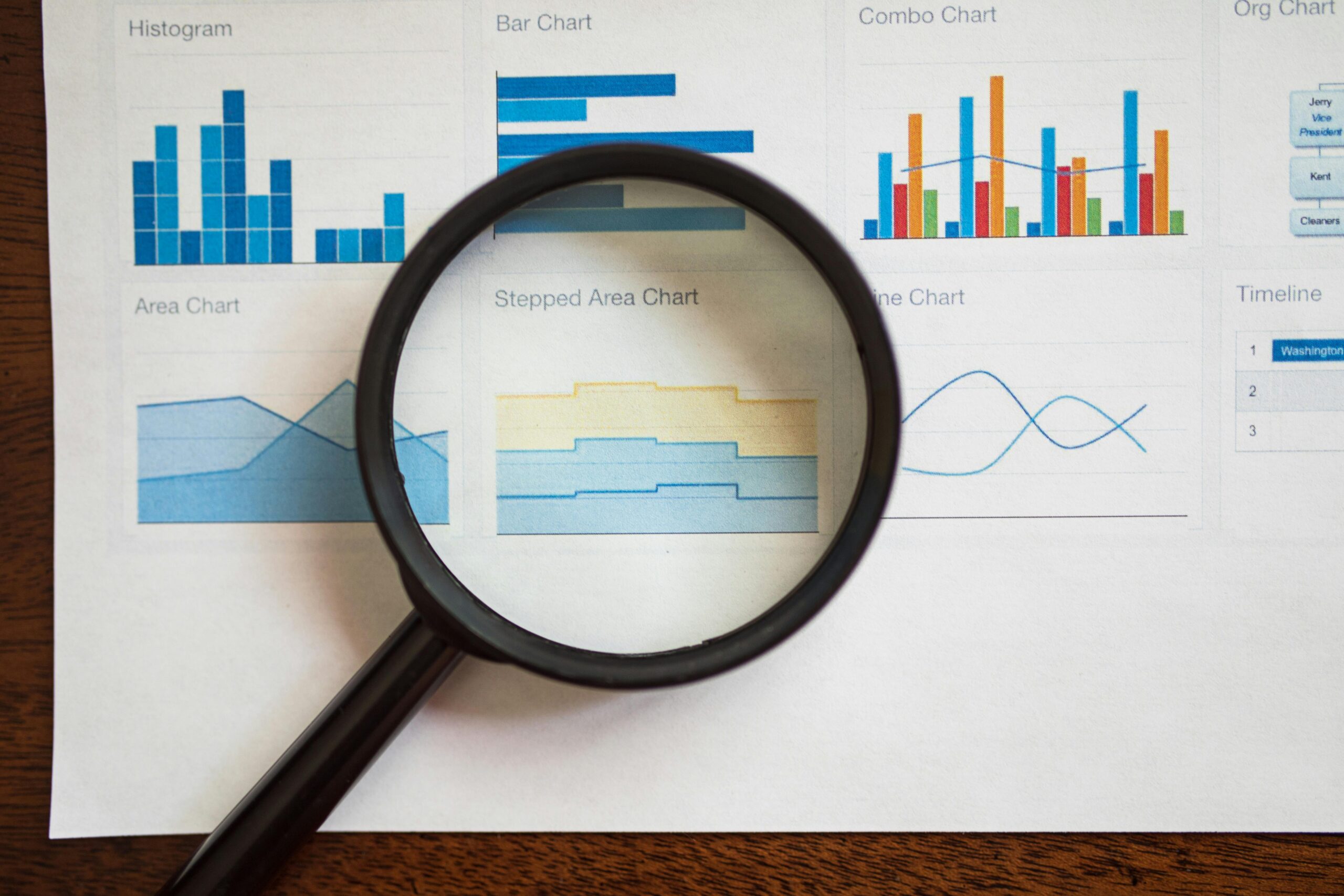
Census data aggregation transforms raw population statistics into actionable intelligence, empowering governments, businesses, and communities to make informed decisions that shape our collective future.

🌐 Understanding the Foundation: What Makes Census Data Aggregation Essential
Census data represents one of humanity’s most comprehensive attempts to understand itself. Every decade, nations undertake massive efforts to count their populations, recording not just numbers but vital information about demographics, economics, housing, education, and employment. However, the true power lies not in the raw data itself but in how we aggregate, analyze, and apply these insights.
Data aggregation involves combining individual data points into meaningful summary statistics that reveal patterns, trends, and correlations invisible at the granular level. When applied to census information, this process unlocks strategic insights that drive policy decisions, business strategies, urban planning initiatives, and social programs.
The digital revolution has exponentially increased our capacity to process and visualize census data. What once required months of manual calculation can now be accomplished in seconds, enabling real-time decision-making based on comprehensive population insights. This technological advancement has democratized access to census intelligence, making it available to stakeholders across all sectors.
📊 The Strategic Value: Why Organizations Depend on Aggregated Census Insights
Businesses leverage aggregated census data to identify market opportunities, optimize store locations, and tailor products to demographic preferences. A retail company considering expansion uses population density, income levels, age distribution, and household composition to determine where new locations will thrive. Without aggregated data, these decisions would rely on guesswork rather than evidence.
Government agencies utilize census aggregation to allocate resources fairly and efficiently. Education departments determine school funding based on student population projections. Healthcare systems plan facility locations according to demographic health needs. Transportation authorities design infrastructure based on commuting patterns and population growth trends.
Urban planners rely heavily on aggregated census data to create sustainable, livable communities. They analyze population density trends, housing needs, employment centers, and demographic shifts to guide zoning decisions, public transportation routes, and community development projects. These insights ensure cities evolve in ways that serve their residents’ actual needs.
Non-profit organizations use census aggregation to identify underserved populations and target interventions effectively. By understanding where poverty concentrates, where educational attainment lags, or where healthcare access remains limited, these organizations can deploy resources where they’ll create maximum impact.
🔍 Key Dimensions: What Census Data Aggregation Reveals
Demographic aggregation provides insights into population composition—age structures, gender ratios, racial and ethnic diversity, and household formations. These metrics help predict future needs, from childcare facilities to elder care services, enabling proactive rather than reactive planning.
Economic aggregation examines income distributions, employment sectors, poverty rates, and economic mobility patterns. This information guides workforce development programs, identifies areas requiring economic stimulus, and helps businesses understand purchasing power across different regions.
Housing aggregation analyzes ownership rates, housing types, vacancy patterns, and affordability metrics. Real estate developers, mortgage lenders, and housing policy makers depend on these insights to address housing challenges and opportunities effectively.
Educational aggregation tracks enrollment rates, educational attainment levels, and school-age population projections. These statistics inform education policy, university expansion plans, and workforce training initiatives that align with community educational profiles.
💡 Methodological Approaches: How Data Aggregation Creates Meaningful Insights
Geographic aggregation organizes census data by spatial units—from neighborhoods to metropolitan areas to entire regions. This spatial dimension enables comparison across locations and identification of geographic patterns. Population density maps, for instance, reveal urban sprawl patterns and guide infrastructure investment priorities.
Temporal aggregation compares census data across multiple collection periods, revealing trends and trajectories. By examining how neighborhoods have changed over decades, planners can project future developments and implement interventions to guide positive change or prevent negative outcomes.
Categorical aggregation combines census variables to create meaningful population segments. Instead of analyzing age, income, and education separately, aggregation can identify specific groups like “young professionals with college degrees earning above median income”—segments highly valuable for targeted decision-making.
Statistical aggregation applies mathematical techniques to summarize distributions, calculate central tendencies, measure variability, and identify outliers. These methods transform thousands of individual data points into comprehensible statistics that communicate essential information efficiently.
🏙️ Real-World Applications: Census Aggregation Driving Tangible Outcomes
Retail site selection exemplifies practical census aggregation application. Major retailers analyze aggregated data on population density, median household income, age demographics, and competition proximity to identify optimal locations. This data-driven approach significantly reduces business risk and increases success probability.
Public health initiatives depend on census aggregation to identify vulnerable populations and health disparities. During the COVID-19 pandemic, aggregated census data helped identify communities with high elderly populations, crowded housing conditions, and limited healthcare access—enabling targeted interventions and vaccination strategies.
Political redistricting legally requires census data aggregation to ensure fair representation. Electoral districts must contain roughly equal populations while respecting community boundaries and demographic considerations. Aggregated census data provides the foundation for these constitutionally mandated processes.
Emergency management professionals use census aggregation to prepare for and respond to disasters. Understanding population distributions, vulnerable populations, language barriers, and mobility limitations enables more effective evacuation planning, resource prepositioning, and recovery assistance.
⚙️ Technical Infrastructure: Tools Enabling Modern Census Data Analysis
Geographic Information Systems (GIS) have revolutionized census data visualization and analysis. These platforms enable users to create sophisticated maps that display multiple census variables simultaneously, revealing spatial patterns and relationships that tables of numbers could never communicate.
Statistical software packages provide powerful tools for aggregating and analyzing census data. Programs like R, Python, and specialized census analysis tools enable researchers to perform complex calculations, test hypotheses, and generate predictive models based on census information.
Data APIs and online platforms have democratized census data access. The U.S. Census Bureau’s API, for example, allows developers to integrate census data directly into applications, websites, and analytical tools, making sophisticated analysis accessible to non-specialists.
Cloud computing infrastructure enables processing vast census datasets that would overwhelm traditional computing resources. Organizations can now analyze complete census microdata, running complex simulations and models that generate nuanced insights previously impossible to obtain.
🎯 Strategic Decision-Making: Translating Data into Action
Effective decision-making requires not just access to aggregated census data but the ability to interpret it correctly within context. Data literacy—understanding what statistics mean, their limitations, and appropriate applications—becomes essential for leaders across all sectors.
Successful organizations develop systematic approaches to incorporating census insights into planning cycles. Rather than treating census analysis as occasional exercises, they establish ongoing monitoring systems that track key indicators and alert decision-makers to significant changes requiring response.
Cross-sector collaboration amplifies census data value. When businesses, governments, academic institutions, and community organizations share census insights and coordinate responses, the resulting solutions prove more comprehensive and effective than isolated efforts.
Scenario planning leverages aggregated census data to explore alternative futures. By projecting how current demographic and economic trends might evolve under different conditions, organizations can develop flexible strategies that remain effective across multiple potential scenarios.
🚀 Future Horizons: Emerging Trends in Census Data Utilization
Real-time data integration represents the next frontier in census analysis. While traditional censuses occur once per decade, emerging technologies enable continuous population monitoring through mobile data, administrative records, and sensor networks. Integrating these real-time sources with traditional census baselines creates dynamic population intelligence.
Artificial intelligence and machine learning are transforming how we extract insights from census data. These technologies identify complex patterns humans might miss, generate more accurate predictions, and automate routine analysis tasks, freeing human analysts to focus on strategic interpretation.
Enhanced granularity through privacy-preserving techniques promises more detailed insights without compromising individual privacy. Differential privacy and synthetic data generation enable sharing fine-grained census information while protecting confidentiality, expanding analytical possibilities.
Global data harmonization efforts aim to make census data comparable across national boundaries. As economies and populations become increasingly interconnected, understanding international demographic and economic patterns grows more important. Standardized collection methods and aggregation approaches facilitate meaningful cross-national comparisons.
🔐 Ethical Considerations: Responsible Census Data Stewardship
Privacy protection remains paramount in census data aggregation. While aggregation inherently obscures individual identities, sophisticated re-identification techniques pose ongoing challenges. Responsible data stewardship requires constant vigilance and evolving privacy protection methods.
Equity concerns arise when census data quality varies across populations. Historically marginalized communities may be undercounted, leading to aggregated statistics that underrepresent their needs and perpetuate disadvantage. Addressing these quality disparities is essential for fair resource allocation.
Algorithmic bias can amplify existing inequalities when census-based decision systems disadvantage certain groups. Organizations must audit their analytical methods to ensure census data applications promote equity rather than reinforce historical discrimination patterns.
Data accessibility represents both a technical and equity challenge. While digital platforms democratize census data access, digital divides mean not all communities benefit equally. Ensuring diverse stakeholders can access and utilize census insights requires intentional inclusion efforts.
📈 Measuring Impact: Evaluating Census-Informed Decision Outcomes
Accountability requires measuring whether census-informed decisions produce intended outcomes. Organizations should establish clear metrics linking census insights to actions taken and results achieved, creating feedback loops that improve future decision-making quality.
Comparative analysis reveals which census-based interventions work best. By comparing outcomes across similar communities that took different approaches informed by the same census data, we can identify best practices and avoid ineffective strategies.
Long-term tracking demonstrates whether short-term improvements sustained over time or merely shifted problems elsewhere. Census data collected across multiple periods enables this longitudinal perspective, essential for distinguishing truly effective solutions from temporary fixes.
Community feedback complements quantitative census metrics with qualitative insights about lived experiences. The most effective decision-makers combine aggregated statistics with community voices, ensuring data-driven approaches remain grounded in human realities.
🌟 Building Capacity: Developing Census Data Expertise
Educational initiatives are expanding census data literacy across professions. Universities now offer specialized programs in demographic analysis, while professional development courses help working practitioners integrate census insights into their existing roles.
Collaborative networks connect census data users across sectors, facilitating knowledge exchange and collective problem-solving. These communities of practice accelerate learning, prevent duplicative efforts, and disseminate innovative applications throughout the field.
Open-source tools and tutorials reduce barriers to census analysis. As experienced practitioners share their methods and code, newcomers can build on proven approaches rather than starting from scratch, accelerating the field’s overall development.
Mentorship programs pair experienced census analysts with emerging practitioners, transferring tacit knowledge that documentation alone cannot convey. These relationships build individual capacity while strengthening the broader community committed to data-informed decision-making.

🔮 Transformative Potential: Census Data Shaping Tomorrow’s Solutions
The convergence of comprehensive census data, powerful analytical tools, and growing data literacy creates unprecedented opportunities for evidence-based decision-making. Organizations that master census data aggregation gain competitive advantages, operating with clearer understanding of the populations they serve.
Climate change adaptation planning increasingly relies on census data to identify vulnerable populations, predict migration patterns, and allocate resilience-building resources. As environmental challenges intensify, demographic intelligence becomes essential for developing equitable, effective responses.
Personalized services delivered at population scale represent another frontier. By understanding fine-grained population segments through census aggregation, service providers can offer tailored experiences that meet diverse needs while maintaining operational efficiency.
The ultimate promise of census data aggregation lies in its democratizing potential. When communities understand their own demographic and economic characteristics, they can advocate more effectively for their needs, hold institutions accountable, and participate meaningfully in shaping their collective futures.
As we navigate increasingly complex social, economic, and environmental challenges, census data aggregation provides essential intelligence for charting wise courses forward. Organizations and communities that embrace these insights, apply them thoughtfully, and measure their impact will make smarter decisions that create sustainable, equitable outcomes for all. The power of census data lies not in the numbers themselves but in our collective commitment to translating demographic knowledge into actions that improve lives and build better futures.