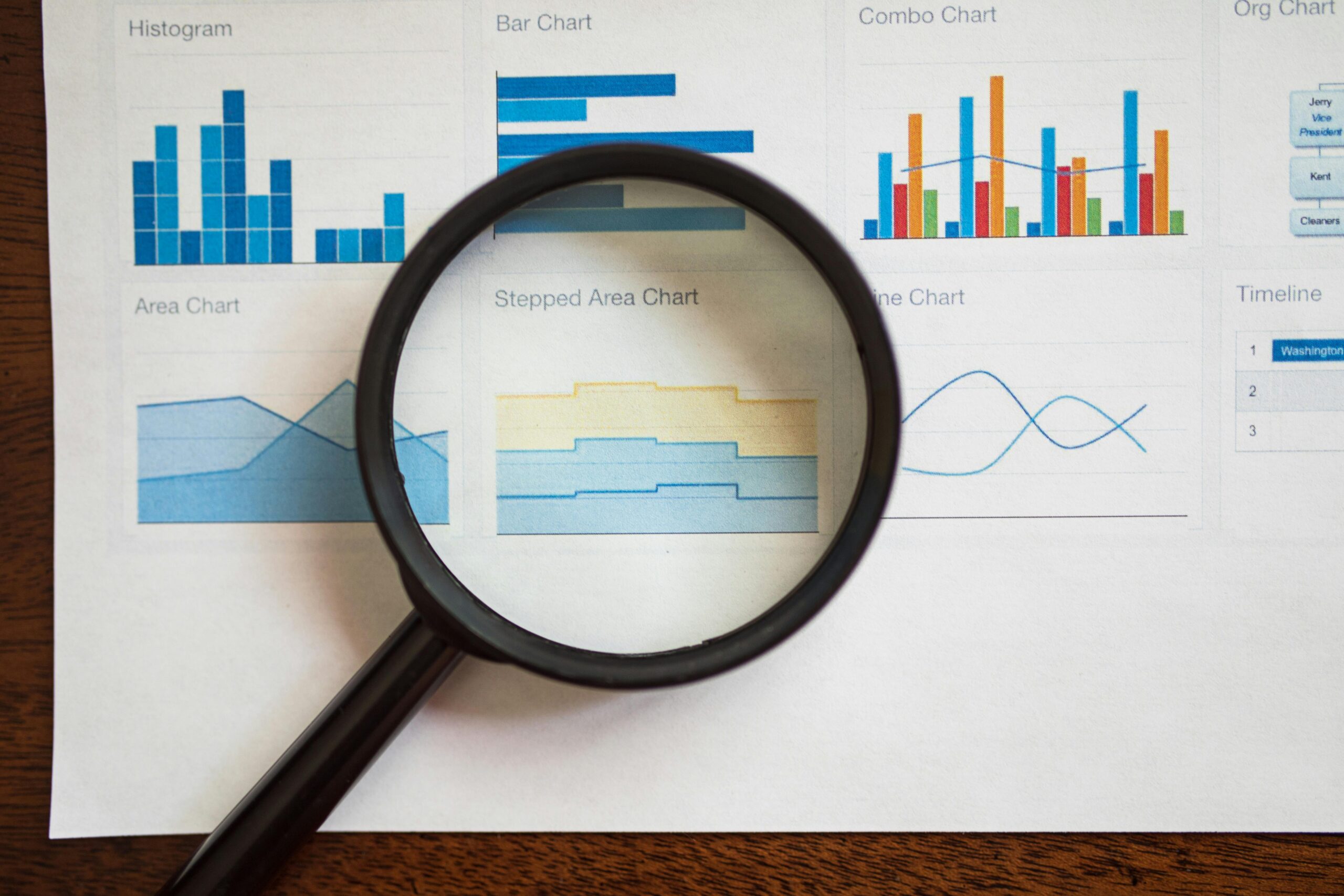
Data integrity is the foundation of every successful organization, ensuring that information remains accurate, consistent, and trustworthy throughout its entire lifecycle.

In today’s digital landscape, where businesses rely heavily on data-driven decision-making, maintaining the quality and reliability of information has become more critical than ever. Organizations that fail to implement robust verification procedures risk making costly mistakes, losing customer trust, and facing regulatory penalties. The consequences of compromised data integrity can be devastating, affecting everything from financial reporting to customer relationships and operational efficiency.
Understanding how to master data integrity through essential verification procedures is not just a technical requirement—it’s a strategic imperative that separates successful organizations from those that struggle with credibility and performance issues. This comprehensive guide will explore the fundamental principles, best practices, and actionable strategies you need to ensure your data remains accurate, reliable, and trustworthy.
🔍 Understanding the Core Principles of Data Integrity
Data integrity refers to the accuracy, consistency, and reliability of data throughout its lifecycle. It encompasses both physical integrity, which protects data from hardware failures and environmental factors, and logical integrity, which ensures data remains accurate and consistent within databases and systems.
The importance of maintaining data integrity extends beyond technical considerations. When stakeholders can trust the information they receive, they make better decisions, operate more efficiently, and build stronger relationships with customers and partners. Organizations with strong data integrity practices demonstrate professionalism, reliability, and commitment to excellence.
Three fundamental dimensions define data integrity: accuracy ensures information correctly represents reality, completeness guarantees all required data is present, and consistency maintains uniformity across all systems and platforms. Together, these dimensions create a framework for evaluating and improving data quality.
⚡ The Real Cost of Poor Data Quality
Poor data quality has tangible financial implications. Research indicates that organizations lose an average of 20-30% of their operating revenue due to data quality issues. These losses stem from wasted resources, missed opportunities, compliance violations, and damaged reputation.
Beyond financial impact, inaccurate data erodes trust within organizations and with external stakeholders. When employees cannot rely on the information they receive, they spend excessive time verifying data manually, duplicating efforts, and second-guessing decisions. This creates a culture of uncertainty that undermines productivity and innovation.
Customer relationships suffer significantly when data integrity fails. Incorrect billing information, shipping errors, duplicate communications, and personalization mistakes all stem from poor data quality. Each mistake chips away at customer confidence and increases the likelihood of churn.
🛡️ Essential Verification Procedures for Data Entry
The first line of defense in maintaining data integrity begins at the point of entry. Implementing validation rules that check data format, range, and consistency prevents errors from entering your systems. These automated checks should verify that email addresses follow proper formats, phone numbers contain the correct number of digits, and numerical values fall within acceptable ranges.
Double-entry verification, while time-consuming, provides exceptional accuracy for critical data. This method requires two different people to enter the same information independently, with systems flagging any discrepancies for review. Organizations often use this approach for financial transactions, medical records, and other high-stakes information.
Real-time validation provides immediate feedback to users during data entry, catching errors before they’re saved to databases. This approach improves user experience by preventing frustration from delayed error messages and reduces the volume of incorrect data requiring later correction.
Input Masking and Format Controls
Input masking automatically formats data as users enter it, guiding them toward correct formats and preventing common mistakes. For example, phone number fields can automatically insert parentheses and hyphens, while date fields can enforce specific formats like MM/DD/YYYY.
Dropdown menus and predefined lists eliminate typing errors for standardized data fields. Rather than allowing free-text entry for country names or product categories, these controls ensure users select from approved options, maintaining consistency across your database.
📊 Implementing Automated Data Validation Systems
Automated validation systems continuously monitor data for accuracy, completeness, and consistency. These systems apply business rules and logic to identify anomalies, outliers, and potential errors without human intervention. Advanced validation systems use machine learning algorithms to detect patterns indicating data quality issues.
Checksum verification ensures data hasn’t been corrupted during transmission or storage. This mathematical technique calculates a value based on data content and compares it against an expected value. Any discrepancy indicates data corruption requiring investigation.
Cross-field validation examines relationships between different data elements to identify logical inconsistencies. For example, if a customer’s age is listed as 15 but they have a 20-year purchase history, the system flags this impossibility for review.
Setting Up Validation Rules That Work
Effective validation rules balance thoroughness with usability. Overly restrictive rules frustrate users and encourage workarounds, while insufficient validation allows errors to proliferate. The key is understanding your data’s characteristics and establishing rules that catch genuine errors without creating unnecessary obstacles.
Regular review and refinement of validation rules keeps them relevant as business needs evolve. What made sense six months ago might not apply today, and rules that initially seemed comprehensive may have gaps that only become apparent through use.
🔄 Regular Data Auditing and Quality Assessments
Scheduled data audits systematically review information quality across your organization. These comprehensive examinations identify accuracy issues, inconsistencies, duplicates, and incomplete records. Regular audits should follow documented procedures ensuring consistent methodology and comparable results over time.
Sampling techniques allow organizations to assess data quality efficiently without examining every record. Statistical sampling methods provide reliable insights into overall data quality by reviewing representative subsets. The sample size and selection method should be appropriate for your data volume and desired confidence level.
Data profiling analyzes the structure, content, and relationships within datasets to identify quality issues. This process examines data patterns, discovers anomalies, assesses completeness, and evaluates adherence to expected formats and standards.
Creating an Effective Audit Schedule
The frequency of data audits should reflect the criticality and volatility of your information. Customer contact information might require monthly reviews, while product specifications could be audited quarterly. High-value or rapidly changing data demands more frequent attention than stable, low-impact information.
Audit results should drive continuous improvement initiatives. Identifying problems without addressing root causes wastes resources and allows issues to persist. Each audit should conclude with actionable recommendations and assigned responsibilities for implementing improvements.
💼 Establishing Data Governance Frameworks
Data governance provides the organizational structure, policies, and procedures that define how data is managed, accessed, and maintained. Strong governance frameworks clarify roles and responsibilities, establish standards, and create accountability for data quality.
Data stewardship assigns specific individuals responsibility for maintaining quality within defined domains. These stewards become subject matter experts who understand the business context, technical requirements, and quality standards for their assigned data. They serve as resources for questions, resolve quality issues, and advocate for improvements.
Documentation standards ensure everyone understands data definitions, sources, transformations, and usage guidelines. Comprehensive data dictionaries describe each field’s purpose, format, valid values, and relationships to other data elements. This documentation reduces confusion and promotes consistent data handling.
Building Cross-Functional Data Quality Teams
Data quality initiatives succeed when they involve stakeholders from across the organization. Cross-functional teams bring diverse perspectives that identify issues and solutions that single departments might miss. These teams should include representatives from IT, business operations, compliance, and key user groups.
Regular meetings maintain focus and momentum for data quality initiatives. These sessions review metrics, discuss challenges, prioritize improvements, and celebrate successes. Consistent communication keeps data quality visible and reinforces its importance to organizational success.
🔐 Security Measures That Protect Data Integrity
Access controls limit who can view, modify, or delete data, preventing unauthorized changes that compromise integrity. Role-based permissions ensure users can only access information necessary for their responsibilities. Detailed permission settings distinguish between read-only access, update capabilities, and deletion rights.
Audit trails record every action taken with data, creating accountability and enabling investigation when integrity issues arise. These logs capture who accessed data, what changes they made, and when actions occurred. Comprehensive audit trails are invaluable for identifying the source of data quality problems and preventing future issues.
Encryption protects data during transmission and storage, preventing unauthorized access and tampering. While encryption primarily addresses security concerns, it also supports integrity by ensuring data remains unaltered by unauthorized parties.
Backup and Recovery Procedures
Regular backups provide insurance against data loss from hardware failures, software bugs, cyberattacks, or human error. Backup strategies should include multiple copies stored in different locations, with testing procedures that verify restoration capabilities. The ability to recover data quickly and completely is essential for maintaining business continuity.
Version control systems track changes to important documents and data files, allowing organizations to revert to previous versions if problems arise. This capability is particularly valuable for configuration data, policy documents, and other information that undergoes frequent revisions.
📈 Monitoring and Measuring Data Quality Over Time
Key performance indicators provide objective measures of data quality progress. Common metrics include accuracy rates, completeness percentages, duplicate record counts, and time-to-correction for identified errors. These metrics should align with business objectives and provide actionable insights.
Dashboard visualizations make data quality metrics accessible and understandable to stakeholders at all levels. Real-time dashboards highlight current status, trends, and alerts requiring attention. Effective visualizations communicate complex information quickly, supporting informed decision-making.
Trend analysis reveals whether data quality is improving, declining, or remaining stable. By tracking metrics over time, organizations identify the impact of improvement initiatives and detect emerging problems before they become critical. Historical context helps distinguish normal variation from significant changes requiring investigation.
🚀 Technology Tools That Enhance Verification Procedures
Data quality software automates many verification procedures, dramatically increasing efficiency and consistency. These specialized tools perform validation, cleansing, matching, and monitoring functions that would be impractical manually. Leading solutions integrate with existing systems and scale to handle large data volumes.
Master data management platforms create single, authoritative sources for critical business entities like customers, products, and suppliers. By consolidating information from multiple systems and enforcing quality standards, these platforms eliminate inconsistencies and redundancies that undermine data integrity.
Integration platforms ensure data moves accurately between systems, maintaining integrity during transfers. Properly configured integration tools validate data during transit, handle errors gracefully, and provide logging that aids troubleshooting when issues occur.
🎯 Training and Cultural Change for Lasting Impact
Technology alone cannot ensure data integrity—people must understand its importance and possess the skills to maintain quality. Comprehensive training programs educate employees about data standards, verification procedures, and their role in maintaining accuracy. Training should be role-specific, addressing the particular data responsibilities each position entails.
Building a data-quality culture requires leadership commitment and consistent messaging about data’s strategic value. When executives prioritize data integrity and hold teams accountable for quality, it signals that accuracy matters more than speed or convenience. Recognition and rewards for maintaining high data quality reinforce desired behaviors.
Continuous improvement mindsets encourage everyone to identify and report data quality issues. Creating safe channels for raising concerns without fear of blame fosters transparency and accelerates problem resolution. Organizations that treat data quality issues as learning opportunities rather than failures build stronger integrity over time.

🌟 Building Stakeholder Confidence Through Transparency
Transparent communication about data quality builds trust with internal and external stakeholders. Rather than hiding problems, mature organizations openly discuss their data quality status, improvement initiatives, and results. This honesty demonstrates commitment to accuracy and invites collaboration in solving challenges.
Quality certifications and compliance attestations provide external validation of data integrity practices. Industry-specific certifications demonstrate adherence to recognized standards, while compliance reports assure regulators and partners that data handling meets legal requirements.
Service level agreements that include data quality commitments set clear expectations and create accountability. When organizations contractually guarantee accuracy levels, they demonstrate confidence in their verification procedures and willingness to stand behind their data quality.
Mastering data integrity through essential verification procedures requires sustained effort, appropriate technology, engaged people, and strong governance. Organizations that excel in this area gain competitive advantages through better decisions, operational efficiency, regulatory compliance, and stakeholder trust. The journey toward exceptional data integrity never truly ends—it’s an ongoing commitment to excellence that pays dividends across every aspect of business performance. By implementing the verification procedures outlined in this guide, you’ll build a foundation of accurate, reliable data that supports your organization’s success for years to come.